What is Provably Fair Gaming and How Does It Work?
Provably Fair Gaming is a term that refers to a mechanism used by online gaming platforms, particularly in the world of online casinos and betting, to ensure the integrity and fairness of the game outcomes. Unlike traditional games where players must rely on the operator's honesty, provably fair systems leverage cryptographic methods to allow players to verify the fairness of each game round. This process often involves generating a random seed, which is then used to determine the outcome of a game, with both players and operators having access to the data needed to confirm that the results haven’t been manipulated.
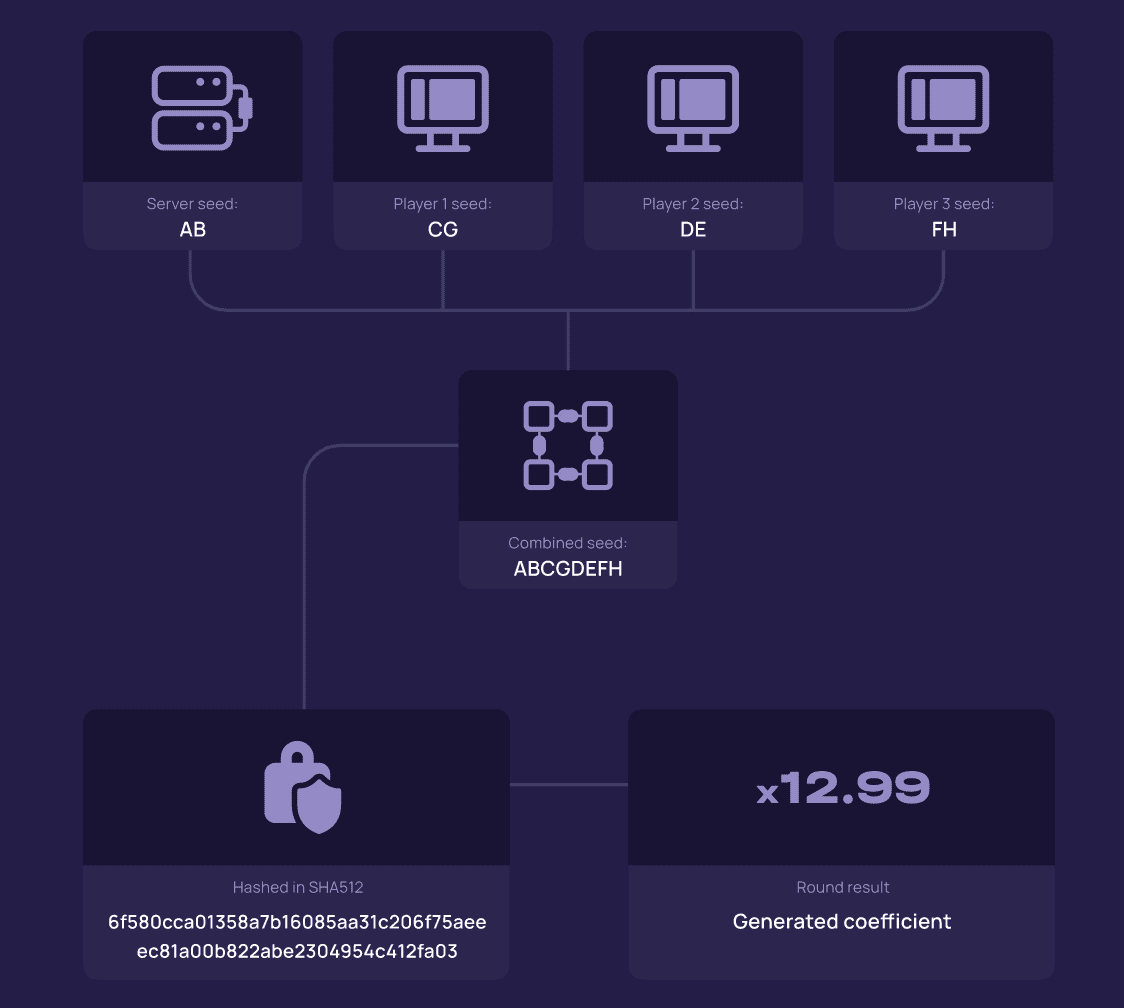
The mechanics of provably fair gaming operate through a combination of random number generation and secure hash functions. Typically, players are provided with a client seed (generated by the player), a server seed (generated by the casino), and a nonce (a number that is incremented by the player for each game round). Once a game is completed, players can use these components alongside the game's algorithm to independently verify that the outcome was not influenced or altered. This transparency is what makes provably fair gaming appealing, as it provides players with confidence in their betting experiences and can help to foster trust in the platform they choose to play on.
As the popularity of online gambling continues to rise, many players are exploring the exciting world of crypto casino platforms. These casinos allow users to wager with various cryptocurrencies, offering enhanced privacy and faster transactions. With a wide range of games and innovative features, crypto casinos are quickly becoming a preferred choice for many gamblers worldwide.
The Importance of Transparency in Online Casinos: Understanding Provably Fair Systems
In the world of online casinos, transparency is crucial for building trust and ensuring fair play among players. As the digital gaming landscape evolves, the demand for accountability has never been higher. One significant development in this area is the advent of provably fair systems, which enable players to verify the integrity of each game outcome. These systems use cryptographic algorithms to provide a transparent proof of fairness, allowing users to confirm that the game results are not manipulated. This level of transparency not only enhances user confidence but also fosters a healthier gaming environment where players can feel secure in their choices.
Furthermore, embracing provably fair systems distinguishes reputable online casinos from those that may not prioritize integrity. Customers are increasingly drawn to platforms that openly showcase their fairness mechanisms, as this reflects a commitment to ethical gaming practices. In fact, transparency can serve as a competitive advantage, attracting a loyal player base who values honesty and reliability. Overall, the incorporation of provably fair systems is more than just a trend; it represents a fundamental shift in how online casinos operate, emphasizing the importance of trust in an age where players have numerous options at their fingertips.
Top 5 Questions About Provably Fair Algorithms Answered
Provably fair algorithms have revolutionized the online gaming and gambling industries by ensuring transparency and security for players. One of the most common questions is, 'What does provably fair mean?' In essence, it refers to a system that allows players to verify the randomness of game outcomes. By employing cryptographic techniques, these algorithms enable players to confirm that the results are not manipulated by the house, giving them confidence in the fairness of their experience. This transparency is pivotal for building trust between players and operators, making it essential for any platform that utilizes these algorithms.
Another frequently asked question is, 'How do provably fair algorithms work?' The process generally involves the use of a cryptographic hash function. Before a game round begins, the operator generates a hidden seed, which is then combined with a player-provided seed and a nonce to create a unique game result. After the game concludes, players can access the hash to verify that neither the operator nor any third party altered the outcome. This clear chain of accountability enhances player confidence and security, making it a critical aspect of online gaming platforms.