Understanding Provably Fair Algorithms: How They Ensure Trust in Online Card Games
In the world of online card games, players often wrestle with concerns about fairness and transparency. This is where provably fair algorithms come into play. These algorithms use cryptographic techniques to ensure that game outcomes are not manipulated by the house or any other parties. By generating a seed that can be verified by players, these algorithms allow users to check the integrity of the game after each round, ensuring that the process is both transparent and trustworthy. This level of transparency is crucial for fostering trust in online gambling environments, which often face skepticism from players.
Understanding how provably fair algorithms operate can greatly enhance a player's confidence in online card games. Typically, the algorithm works by combining a server seed, a client seed, and annonce (a random number used only once) to create numerous possible outcomes. Players can view this system and verify each element for themselves, making it clear that neither party has undue influence over the results. By leveraging these sophisticated algorithms, online casinos are committing to fairness, ensuring that every player has an equal chance of winning and thereby promoting a healthier gaming ecosystem.
Unlock amazing discounts with a shuffle promo code and enjoy your favorite services at a lower price!
The Mechanics of Deck Shuffling: What Makes a System Provably Fair?
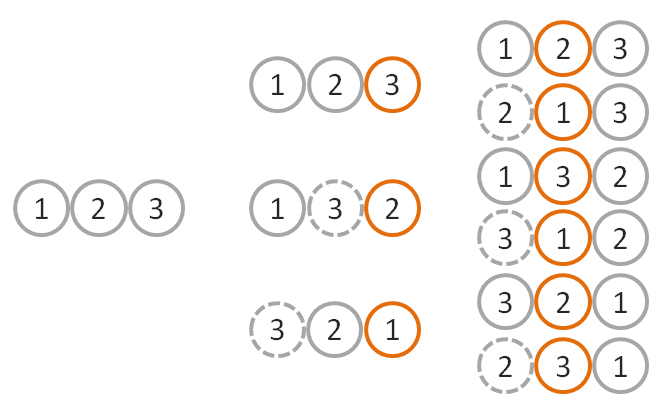
The mechanics of deck shuffling are integral to various games, from card games to digital casinos, ensuring that each player experiences a fair and unpredictable outcome. A provably fair system guarantees that the shuffling process is both transparent and verifiable. This is typically achieved through algorithms that utilize randomness, making it difficult for any participant to manipulate the odds without detection. In a typical fair shuffle, the use of complex algorithms, such as the Fisher-Yates shuffle, ensures every card has an equal chance of being in any position, thus maintaining the integrity of the game.
To further enhance trust in the shuffling process, many digital platforms provide players with ways to verify the fairness of each shuffle. This can be accomplished through hash functions that keep a record of the shuffled deck before the game begins, allowing players to confirm that no tampering occurred afterward. Additionally, educating players about the randomness generation methods, including methods like pseudo-random number generators and physical sources of entropy, reinforces the concept of fairness in shuffling. By implementing these standards, developers can ensure that their gaming environment is not only engaging but also built on a foundation of trust and fairness.
How to Spot a Fair Game: Tips for Identifying Honest Shuffling Practices
Identifying honest shuffling practices is crucial for anyone engaging in card games or gambling. One of the first things to observe is the shuffling technique used by the dealer. Look for consistent and transparent methods such as the riffle shuffle or the overhand shuffle. If the dealer employs techniques that seem overly complicated or manipulated, it may indicate unfair practices. Pay attention to the dealer’s hands: do they maintain proper control of the cards throughout the shuffle, or do they seem distracted or fidgety? A fair game distributor should be calm and focused while shuffling.
Another key tip is to assess the shuffle consistency. Evaluate whether the dealer shuffles the cards adequately between rounds. In a fair game, the deck should be randomized thoroughly to ensure no predictable patterns emerge. A good practice is to observe the dealers across multiple sessions; if you notice a pattern where certain players consistently perform better when a particular dealer is shuffling, it could be a red flag. Lastly, trust your instincts—if something feels off about the shuffling, it’s worth investigating further or choosing a different game.