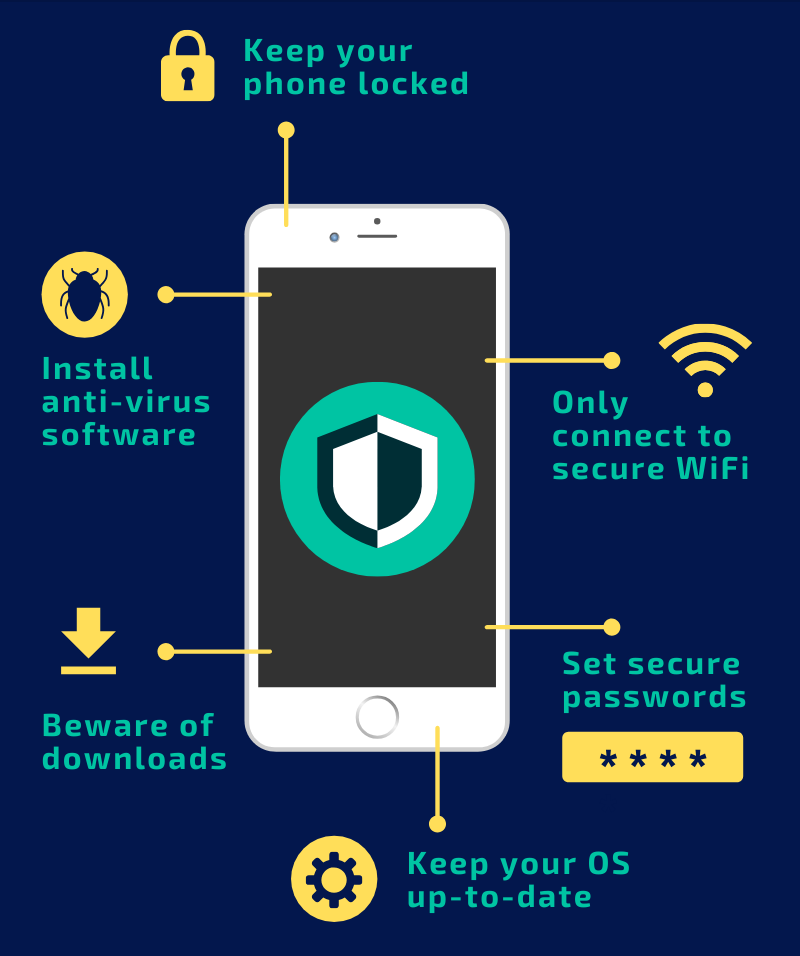
10 Essential Tips for Keeping Your Phone Secure: Don’t Let It Spill Secrets
In today’s digital age, securing your smartphone is more crucial than ever. Here are 10 essential tips to help you protect your device and keep your personal information safe from prying eyes:
- Use a Strong Passcode: Choose a secure passcode that is difficult to guess. Avoid simple patterns or birthdates.
- Enable Two-Factor Authentication: Activate two-factor authentication on your accounts to add an extra layer of security.
- Install Antivirus Software: Protect your phone from malware with reliable antivirus software.
- Keep Your Software Updated: Regularly update your operating system and apps to patch vulnerabilities.
- Be Wary of Public Wi-Fi: Avoid accessing sensitive information over public Wi-Fi networks.
Continuing with our list, here are more essential tips to enhance your phone’s security:
- Limit App Permissions: Review and limit the permissions that apps have, ensuring they only access what's necessary.
- Use Encrypted Messaging Apps: Opt for messaging apps that offer end-to-end encryption for your private conversations.
- Be Cautious with Links: Avoid clicking on suspicious links in emails or texts to prevent phishing attacks.
- Backup Your Data Regularly: Regular backups can protect your information in the event of a data loss.
- Lock Your Screen: Always lock your screen when not in use to prevent unauthorized access to your phone.
Counter-Strike is a highly popular team-based first-person shooter game that emphasizes tactical gameplay and teamwork. Players can choose to play as terrorists or counter-terrorists, engaging in various objectives such as bomb defusal or hostage rescue. For players looking to protect their mobile devices while enjoying gaming, check out the Top 10 iphone slim cases to ensure their phones are safe during intense gaming sessions.
Why Your Phone Needs Protection Like a Diary: Understanding Digital Vulnerabilities
In today's digital age, our smartphones are much more than just communication devices; they are an extension of ourselves. Just as we protect our personal diaries with locks and passwords, our phones require protection against various digital vulnerabilities. With sensitive information such as bank details, personal messages, and photographs stored on our devices, the risk of falling victim to cyber threats is greater than ever. Malicious software, phishing attacks, and unsecured Wi-Fi networks can expose your data, making it essential to treat your phone with the same care you would your most cherished secrets.
Moreover, unlike a physical diary that can be tucked away on a shelf, our phones are constantly connected to a vast digital landscape, making them susceptible to unauthorized access. To mitigate these risks, adopting good security practices is crucial. This includes using strong passwords, enabling two-factor authentication, and regularly updating your operating system and applications. By taking these steps, you not only fortify your device against intrusions but also ensure that your personal data remains as secure as the private thoughts you keep locked away in a diary.
Are You Really Safe? 5 Questions to Ask About Your Phone's Security
In an age where smartphones have become an extension of ourselves, the question of whether we are truly safe in our digital lives is more pertinent than ever. It's essential to ask yourself: Are you really safe? To assess your phone's security, consider these five crucial questions. First, is your device's operating system updated regularly? Updates often contain vital security patches that fend off potential threats. Secondly, do you use strong and unique passwords or biometrics like fingerprints and facial recognition? This can dramatically enhance your phone's security.
Thirdly, are you cautious about the apps you download? Not all apps are created equal; make sure to download only from trusted sources. Fourth, do you have antivirus or security software installed? Even smartphones need protection from malware and other cyber threats. Lastly, have you reviewed your privacy settings? A strong understanding of what data you share can greatly improve your safety. By reflecting on these five questions, you can better gauge your phone's security and take steps to keep your personal information safe.