5 Essential Tips for Creating an Ergonomic Workspace
Creating an ergonomic workspace is crucial for enhancing productivity and ensuring long-term comfort. Ergonomics is all about designing workspaces that fit the user's needs, thereby reducing strain and the risk of injury. Here are five essential tips that can help you achieve a setup that promotes well-being:
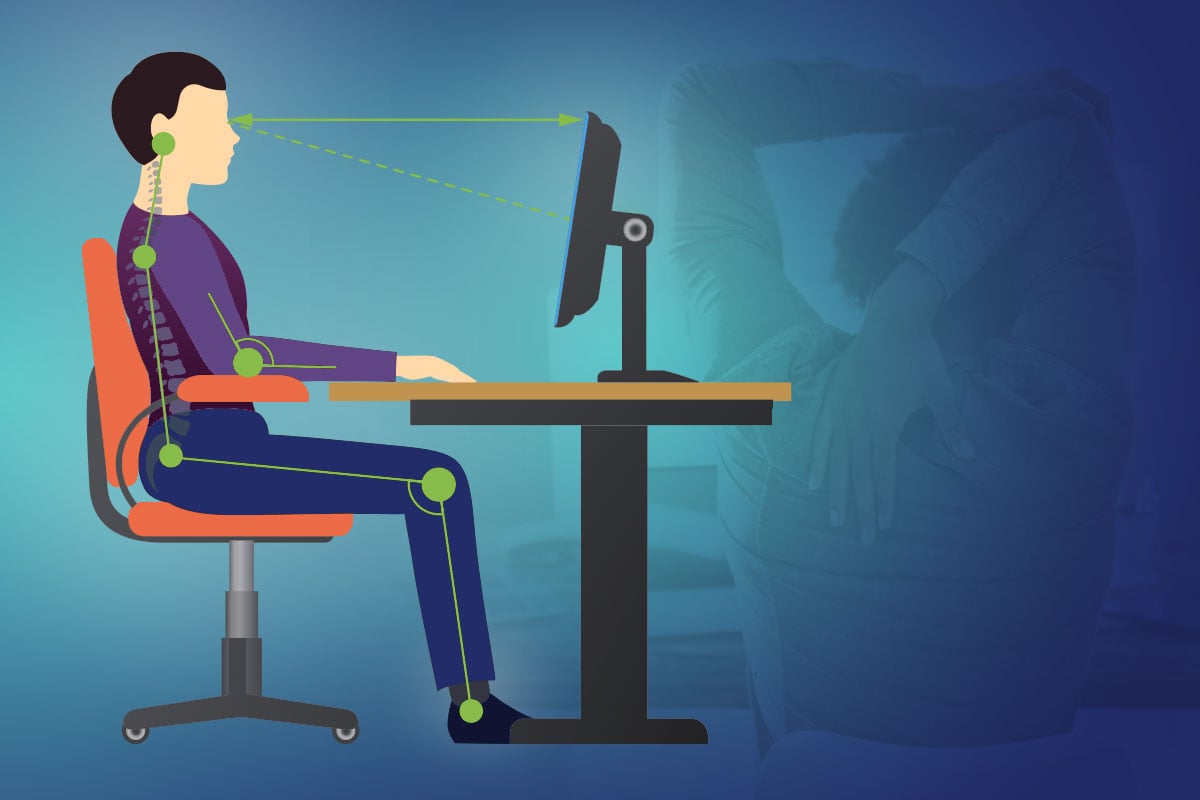
- Adjust Your Chair: Choose an adjustable chair that supports your lower back. Make sure your feet can rest flat on the floor for optimal posture.
- Monitor Placement: Position your monitor at eye level to avoid neck strain. The ideal distance is about an arm's length away.
- Keyboard and Mouse: Keep your keyboard and mouse at a comfortable height where your elbows are at about a 90-degree angle.
- Lighting: Use adequate lighting to reduce glare on screens and minimize eye strain.
- Take Breaks: Incorporate regular breaks into your workflow to stand, stretch, and refresh your mind.
Counter-Strike is a popular first-person shooter game that emphasizes teamwork and strategy. Players can choose to be part of the terrorist or counter-terrorist team, completing objectives to secure victory. For those looking to enhance their gaming setup, consider checking out the Top 10 iPad Stands for Couch to improve comfort during long gaming sessions.
The Science of Sitting: How to Improve Your Posture at Your Desk
The science of sitting has gained significant attention as more people spend long hours at their desks. Poor posture while sitting can lead to various health issues, including back pain, neck strain, and even diminished lung capacity. To cultivate better habits, start by adjusting your workspace. Ensure your chair provides adequate lumbar support, and position your computer monitor at eye level to keep your neck aligned with your spine. Additionally, consider using a sitting cushion or a stability ball to promote core strength and encourage a more upright posture.
Incorporating regular breaks into your routine can also enhance your overall posture. Aim to stand up and stretch every 30 to 60 minutes. Simple exercises, such as shoulder rolls or torso twists, can help alleviate tension. Furthermore, practice the 90-90-90 rule: your feet should rest flat on the floor, knees at a 90-degree angle, and thighs parallel to the ground. By understanding the science of sitting and making these adjustments, you can significantly improve your posture and overall well-being while working at your desk.
Are You Sitting Correctly? Common Mistakes That Lead to Desk Disasters
The way you sit at your desk can significantly impact your health and productivity. Many people are unaware of the common mistakes that lead to desk disasters, ultimately resulting in discomfort or more severe issues. For instance, slouching is one of the most prevalent errors; it can lead to back pain and strain on your neck. To enhance your posture, consider these tips:
- Adjust your chair height so that your feet are flat on the ground.
- Position your computer screen at eye level to avoid craning your neck.
- Use a lumbar support cushion to maintain the natural curve of your spine.
Another frequent issue is desk clutter, which can cause distractions and decrease efficiency. An organized workspace not only promotes better focus but also minimizes the risk of ergonomic injuries. To avoid these desk disasters, follow these suggestions:
Additionally, try to incorporate regular breaks into your routine. Remember, it's not just about how you sit, but also how often you move. Implementing these practices can significantly improve your overall well-being and productivity.Keep only essential items within reach, and regularly declutter your desk space.