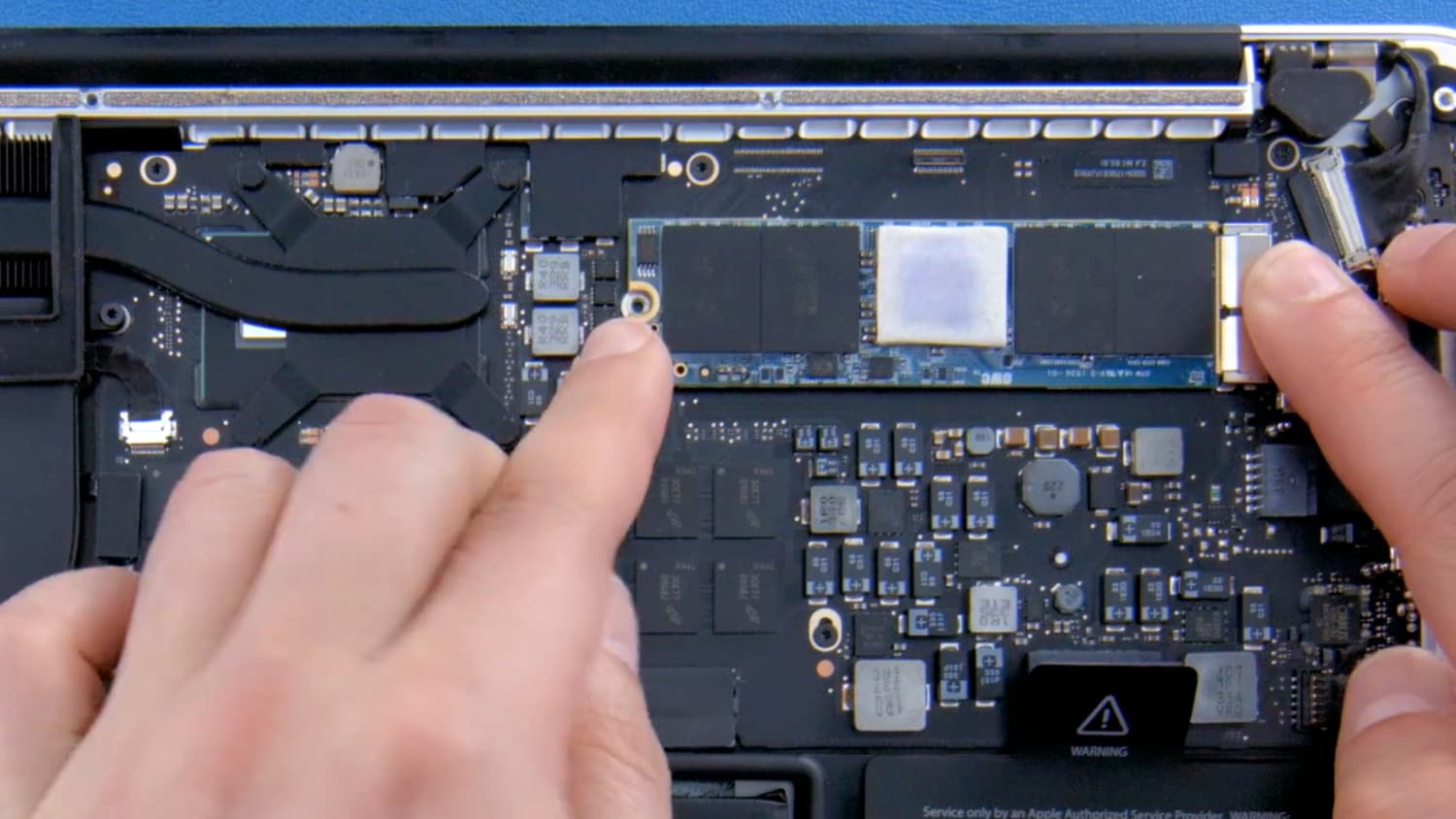
10 Simple Steps to Upgrade Your Mac's SSD for Maximum Performance
Upgrading your Mac's SSD can significantly enhance its overall performance, making it faster and more efficient for your daily tasks. Here are 10 simple steps to guide you through the process:
- Backup Your Data: Always start by securing your important files. Use Time Machine or other backup solutions to prevent data loss.
- Gather Your Tools: You will need a compatible SSD, a screwdriver, and possibly an external hard drive enclosure.
- Shut Down and Disconnect: Ensure your Mac is turned off completely and disconnect all peripherals.
- Open Your Mac: Depending on your model, use the appropriate tools to safely open your Mac's case.
- Remove the Old SSD: Carefully disconnect and remove the current SSD from its slot.
- Install the New SSD: Place your new SSD into the appropriate slot and secure it properly.
- Reconnect All Components: Ensure everything is properly connected before closing your Mac.
- Power On Your Mac: Boot up your Mac and open Disk Utility to format the new SSD.
- Restore Your Data: Use your backup to restore files onto your new SSD.
- Update Your Mac: Finally, make sure all software and drivers are up to date to maximize performance.
Counter-Strike is a highly competitive first-person shooter game that has garnered a massive following since its initial release. Players engage in team-based combat, where they can choose to be part of the terrorist or counter-terrorist forces. The game requires strategy, teamwork, and precise aim, making it a favorite among esports enthusiasts. For those looking to enhance their gaming experience, consider checking out the Top 10 external ssds for mac, which can provide faster load times and improved performance.
Is Your Mac Slowing Down? Discover How an SSD Upgrade Can Help!
If you've noticed your Mac's performance lagging, it might be time to reassess your storage solution. One of the most effective upgrades you can implement is switching to a Solid State Drive (SSD). Unlike traditional Hard Disk Drives (HDDs), SSDs offer significantly faster read and write speeds, which can drastically reduce boot times and improve application launch speeds. In fact, users often report speed increases of 300% or more after upgrading to an SSD. This means less waiting and a more responsive system overall.
Beyond just speed, an SSD upgrade can enhance your overall computing experience. Here are a few benefits of upgrading to an SSD:
- Improved data access times
- Lower power consumption
- Increased durability and resistance to shocks
The Ultimate Guide to Choosing the Right SSD for Your Mac
Choosing the right SSD for your Mac can greatly enhance its performance, speed, and overall efficiency. When considering an SSD, it’s essential to understand the different types available, such as NVMe and SATA. NVMe drives are significantly faster but can be pricier, while SATA SSDs offer a more budget-friendly option with decent speeds. Before making your purchase, ensure compatibility with your specific Mac model by checking Apple's support documentation, which often provides details on the types of drives supported.
In addition to compatibility, consider storage capacity based on your needs. A typical user might opt for 512GB or 1TB, while professionals dealing with large files may require upwards of 2TB. When you’ve identified your requirements, it's beneficial to read reviews and compare brands to find the best combination of performance and price. Lastly, don’t forget to check for warranties and customer support options, as these can be critical in ensuring the longevity and reliability of your SSD.