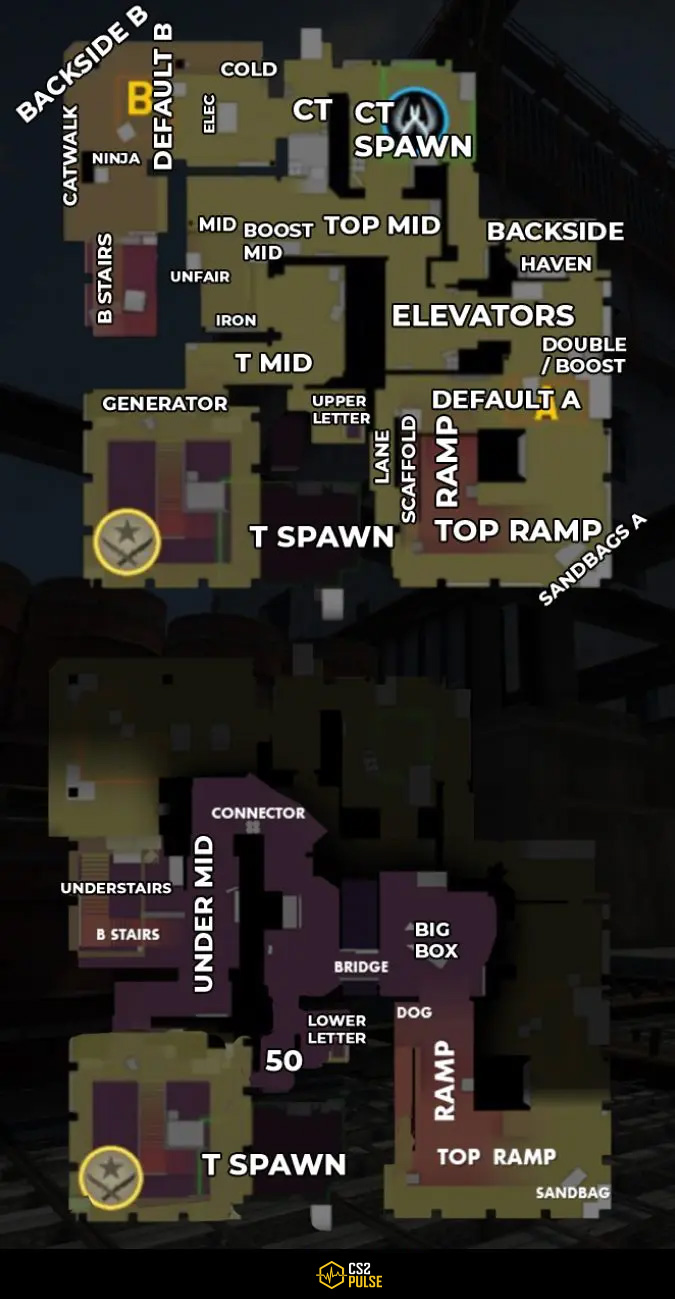
Essential CS2 Callout Techniques for Tactical Success
In the fast-paced world of Counter-Strike 2 (CS2), effective communication is key to achieving tactical success. One of the most vital aspects of teamwork is the use of callouts, which are specific terms or phrases that refer to different locations on the map. By mastering essential CS2 callout techniques, players can ensure that their team is constantly on the same page. For instance, using clear and concise names for locations, such as 'A Site,' 'B Site,' or 'Mid,' allows for quick communication during intense situations. Moreover, utilizing a structured approach to calls, like naming map areas in a clockwise or counter-clockwise manner, can significantly enhance clarity when relaying information.
Additionally, understanding the importance of timing and accuracy in your callouts can make the difference between victory and defeat. When making a callout, it is essential to provide as much pertinent information as possible while remaining succinct. For example, rather than simply shouting 'Enemy on B,' it’s more effective to say 'Two enemies at B Site, planting the bomb.' This not only conveys location but also the urgency and action taking place. Incorporating these techniques into your gameplay will not only improve your own performance but will also foster a stronger team dynamic, leading to a higher chance of tactical success.
Counter-Strike, a highly competitive first-person shooter game, has evolved significantly since its inception. Among its many features, CS2 Weapon Skins have become a popular way for players to customize their in-game experience and showcase their unique styles. The game's tactical gameplay and the need for teamwork have solidified its status as a staple in the esports community.
Top 10 Callouts Every CS2 Player Should Know
In the fast-paced world of Counter-Strike 2 (CS2), knowing the right callouts is essential for effective communication and strategy. Here are the Top 10 Callouts Every CS2 Player Should Know: These callouts not only help in identifying locations quickly but also enhance teamwork by ensuring everyone is on the same page during intense matches. From commonplace spots to sneaky hiding places, mastering these callouts can give your team a significant advantage on the battlefield.
- Site A: When referring to the terrorist bomb site, calling out 'A Site' or 'A' is a no-brainer. Make sure your team knows the difference between A Site and B Site.
- Middle: Often abbreviated as 'Mid,' this area is crucial for controlling map flow. Use this callout to coordinate mid pushes or fakes.
- Long: This refers to the long stretch towards the A Site, a common area for engagement.
- Short: The opposite of Long, Short can catch enemies off guard as players transition towards the A Site.
- Connector: This area connects Mid to A and B Sites and is vital for strategic plays.
- Balcony: The high ground can provide advantageous angles for snipers looking to control A Site.
- Catwalk: A key position for sneaky maneuvers down to A Site.
- Stairs: This spot is excellent for cover while assessing enemy movement.
- Ramp: Use this callout when pushing towards B Site to outline your approach.
- Spawn: Always call out your spawn point to ensure your team knows where to regroup or fall back.
How to Communicate Effectively in CS2: Mastering Callouts
Effective communication in CS2 is vital for team success, and mastering callouts is one of the most important skills a player can develop. Callouts refer to specific terms and phrases players use to describe locations, actions, or enemy positions within the game environment. To enhance your team's coordination, familiarize yourself with the standard callouts for each map. This includes learning common abbreviations and ensuring that your team uses them consistently. For instance, if a teammate calls out 'Long' on Dust II, everyone should immediately understand the context and prepare for potential threats from that direction.
To further improve your callouts in CS2, practice regularly and encourage your team members to do the same. Here are a few tips to keep in mind:
- Be Clear: Speak loudly and confidently, ensuring your teammates can hear you.
- Be Precise: Use specific callouts instead of vague terms to avoid miscommunication.
- Be Timely: Provide information as quickly as possible, especially when you spot enemies or need assistance.
By integrating these strategies into your gameplay, you’ll not only enhance your own communication skills but also foster a more effective and united team dynamic.