Unlocking Engagement: 5 Proven Gamification Techniques to Captivate Players
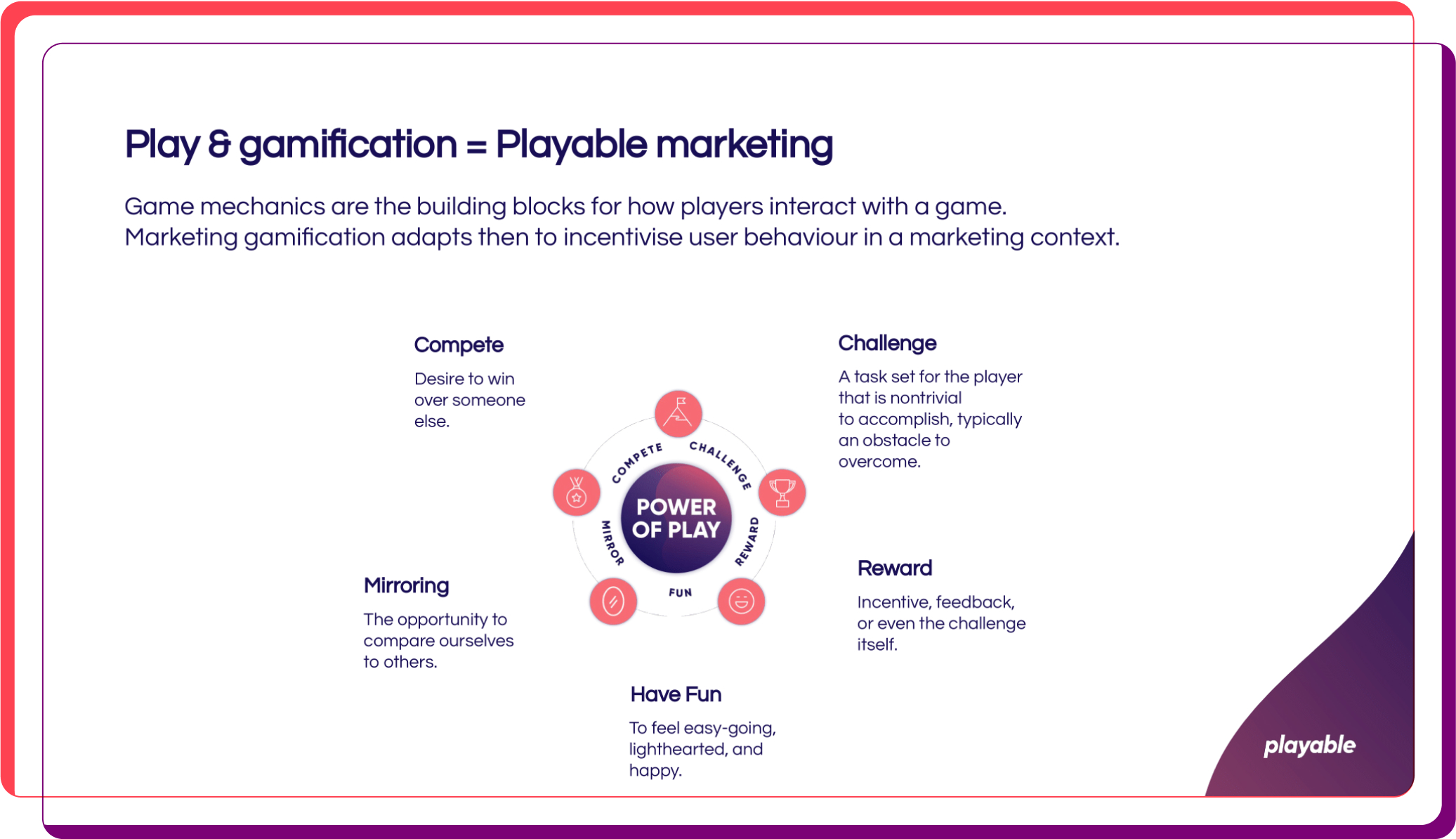
Engaging users is crucial in today's digital landscape, and gamification offers a powerful way to achieve this. By incorporating game-like elements into non-gaming contexts, you can enhance user interaction and make experiences more enjoyable. Here are 5 proven gamification techniques that can help you captivate your audience:
- Point Systems: Implementing a point system allows users to earn rewards for completing tasks, encouraging them to engage more frequently.
- Leaderboards: Creating competitive leaderboards instills a sense of achievement and motivates users to improve their performance.
- Challenges and Quests: Designing challenges and quests provides clear goals for users, making their experience more interactive.
- Badges and Achievements: Recognizing accomplishments with badges can foster a sense of pride and encourage continued participation.
- Feedback Mechanisms: Providing instant feedback engages users and helps them understand their progress, enhancing their overall experience.
Counter-Strike is a popular first-person shooter game that has been at the forefront of competitive gaming for years. Players can engage in intense matches, develop strategies, and showcase their skills in various maps. If you're looking to enhance your gaming experience, consider checking out the duelbits promo code to gain some advantages.
The Psychology Behind Gamification: Why Players Stay Hooked
Gamification leverages the principles of psychology to engage players by tapping into fundamental human desires. By incorporating elements such as points, badges, and leaderboards, it creates a system of rewards that fuels competition and achievement. Players are often motivated not just by the end goal but by the intrinsic satisfaction derived from overcoming challenges and attaining recognition. This phenomenon can be explained by the Skinner Box, a concept in behavioral psychology that highlights the effectiveness of positive reinforcement — the unpredictable rewards keep players returning for more.
Additionally, gamification fosters a sense of community and belonging. Social interaction is crucial to player retention, as it satisfies the human need for connection. Players are likely to stay engaged when they feel part of a larger group, sharing experiences, strategies, and accomplishments with others. Features such as collaborative challenges or multiplayer modes not only enhance engagement but also build a loyal player base, making them more likely to persist with the game over time.
How to Create Reward Systems That Keep Players Coming Back for More
Creating effective reward systems is crucial for maintaining player engagement and ensuring they keep returning to your game. One of the most effective methods is to implement a tiered reward structure, where players unlock increasingly valuable rewards as they progress. This could be done through leveling up, completing challenges, or accumulating points. Consider incorporating both intrinsic rewards, like personal satisfaction and mastery, and extrinsic rewards, such as in-game currency or unique items. By providing a mix of reward types, you can cater to different player motivations and enhance their overall experience.
Another strategy for developing reward systems that captivate players is to create limited-time events or exclusive rewards. Players are often motivated by the fear of missing out (FOMO), so implementing events that reward engagement within a specific timeframe can lead to increased playtime. For instance, you can introduce special challenges that offer unique items or bonuses that are only available for a limited period. Additionally, ensure that the rewards are clearly communicated through in-game notifications and social media channels, encouraging players to return frequently to stay up-to-date and reap the benefits.