How Your Office Environment Influences Creative Thinking
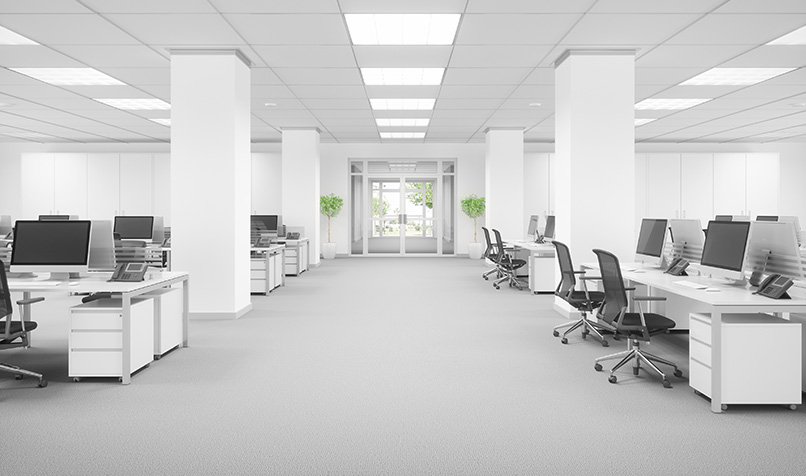
The office environment plays a crucial role in shaping employees' creative thinking abilities. Factors such as lighting, layout, and color scheme can either stimulate or hinder creativity. For instance, an open-space layout encourages collaboration and communication, allowing ideas to flow freely among team members. Furthermore, incorporating elements like greenery or art can boost mood and inspire innovative thoughts. According to a study by the American Society of Interior Designers, a well-designed workplace can enhance productivity by up to 20%. Thus, optimizing the office environment is essential for fostering a culture of creativity.
In addition to the physical aspects, the office environment also includes the social dynamics within the workspace. Positive relationships among colleagues can lead to a more conducive atmosphere for creative brainstorming. Employers can encourage teamwork through structured activities such as brainstorming sessions or workshops that focus on problem-solving. Feedback and recognition of innovative ideas should be regular features in the workplace culture, as they can motivate individuals to think outside the box. By understanding and enhancing these elements, organizations can harness the full potential of their workforce and drive greater innovation.
Counter-Strike is a highly popular first-person shooter game that pits teams of terrorists against counter-terrorists in various gameplay modes. Players can choose to plant or defuse bombs, rescue hostages, or eliminate the opposing team. The game is well-known for its tactical gameplay, teamwork, and competitive scene, making it a staple in the eSports community. For those looking to enhance their productivity while gaming, check out the Top 10 Apple Watch Accessories for the Office.
7 Ways to Design an Office That Sparks Creativity
Designing an office that sparks creativity is essential for fostering a productive work environment. One of the most effective ways to achieve this is by incorporating color psychology. Use vibrant colors like yellow and orange in your décor to stimulate energy and creativity. Another strategy is to integrate natural elements into your workspace. Plants not only improve air quality but also help to reduce stress and boost overall morale. Consider setting up a breakout area with comfortable seating where employees can brainstorm and collaborate in a relaxed setting.
Furthermore, create a layout that encourages collaboration. Open spaces with modular furniture can facilitate teamwork and idea-sharing, allowing for more dynamic interactions among team members. Incorporate artwork that inspires creativity, whether it’s local artist pieces or thought-provoking prints. It’s also beneficial to provide flexible workspaces that can be easily reconfigured to meet different needs. By making these thoughtful design choices, your office can become a stimulating space that fuels innovation and creativity.
Is the Open Office Concept Killing Your Creativity?
The open office concept has gained popularity in recent years, touted for its ability to foster collaboration and enhance communication among team members. However, many employees find that this design undermines their creativity. The absence of private spaces and constant noise can lead to distractions, making it challenging for individuals to focus and engage in deep, creative thinking. Studies have shown that environments lacking privacy can adversely affect productivity and overall job satisfaction, leading to a workforce that feels stifled rather than inspired.
Moreover, the open office layout can often result in a battle for attention, where brainstorming sessions become overshadowed by unnecessary chatter. According to research, employees in such environments report higher stress levels, which can stifle innovation and hinder problem-solving capabilities. When creativity is compromised, organizations may struggle to achieve their full potential. Therefore, it is essential for companies to consider the impact of their workspace design on employee well-being and to explore ways to create a balance between collaboration and personal space.