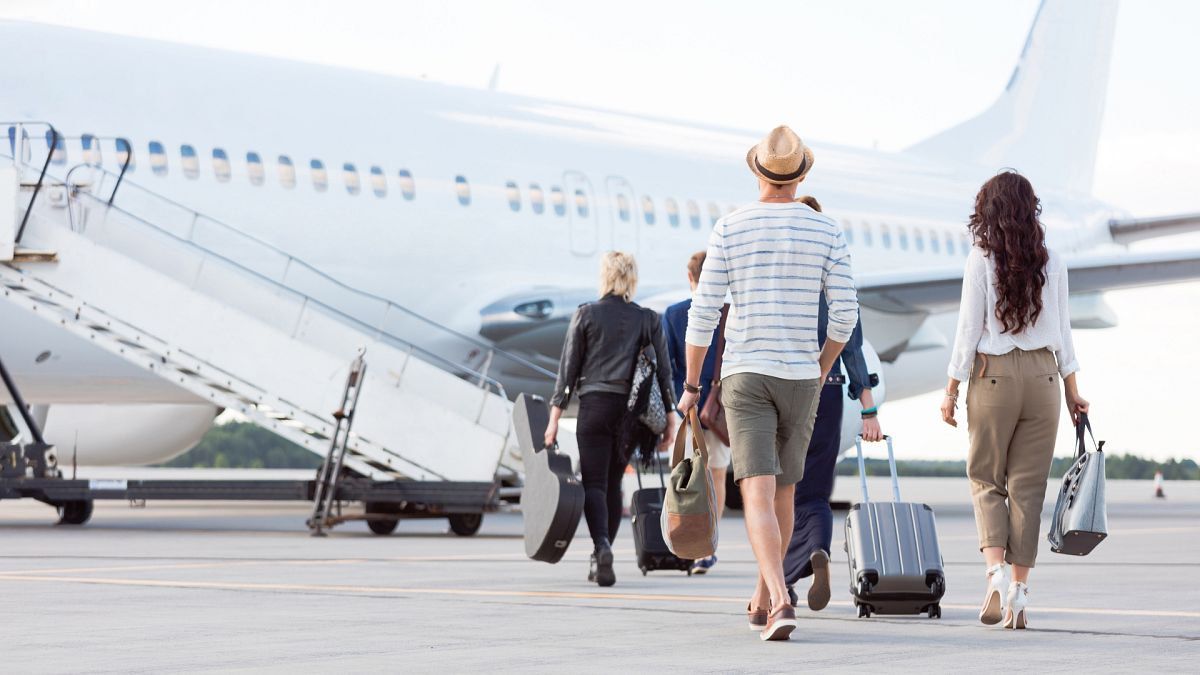
Top 10 Myths About Air Travel Debunked
Air travel is surrounded by numerous misconceptions that can lead to anxiety and misinformation. One common myth is that flying is inherently dangerous. In reality, air travel is one of the safest modes of transportation, with statistics showing that the odds of being in a plane crash are significantly lower than those of a car accident. Additionally, many believe that turbulence is a sign of an impending crash; however, it is a normal and harmless part of flying. Pilots are well-trained to handle turbulence, and modern aircraft are engineered to withstand it.
Another myth prevails that checking in early guarantees a good seat. While early check-in can increase your chances of better seat selection, many airlines have moved to dynamic seating arrangements where seats are assigned based on various factors like loyalty status and additional fees. Moreover, some travelers also think that packing full liquids in their carry-on luggage is permissible. In fact, the 3-1-1 rule limits liquids to 3.4 ounces (100 milliliters) in a quart-sized bag. Debunking these myths helps create a more informed flying experience for all passengers.
Counter-Strike is a highly popular first-person shooter game that pits teams of terrorists against counter-terrorists in various missions. Players must work together to complete objectives, such as planting and defusing bombs or rescuing hostages. For those who travel frequently, it’s important to stay connected and prepared; check out the Top 10 Tech Accessories for Flights to enhance your travel experience while enjoying some gaming downtime.
Is Air Travel Safer Than Driving? The Facts You Need to Know
When it comes to safety, air travel often emerges as one of the safest modes of transportation available. According to the National Safety Council, the odds of dying in a car accident are approximately 1 in 107, whereas your chances of dying in a plane crash are about 1 in 11 million. This stark contrast highlights why many people consider flying to be significantly safer than driving. The stringent regulations imposed on airlines, extensive pilot training, and regular maintenance checks contribute to the high safety standards that make flying a reliable choice for travel.
Furthermore, statistical analyses reveal that commercial flights face much lower accident rates compared to personal vehicles. For instance, the Bureau of Transportation Statistics estimates that in 2019, there were only 133 aviation accidents in the United States, of which only 20 involved fatalities. In contrast, over 36,000 people died in motor vehicle crashes that same year. These statistics suggest that while both modes of transportation carry some risk, air travel remains the safer option overall, especially when considering the sheer number of people transported over long distances every day.
What You Should Know About Airline Baggage Policies: Separating Fact from Fiction
When traveling by air, understanding airline baggage policies is crucial for a smooth journey. Many travelers are often misled by common myths surrounding these policies. For example, a prevalent belief is that all airlines have the same baggage allowance; however, this is far from the truth. In reality, different airlines have varying rules regarding the number of bags a passenger can check, the weight limits, and the size dimensions. To avoid unexpected fees, it’s essential to check the specific baggage policies of the airline you’re flying with, as they can differ significantly from one carrier to another.
Another common misconception is that once you’ve purchased a ticket, all baggage fees are included. In fact, many low-cost carriers have adopted unbundled pricing models, which means you might have to pay extra for checked bags, carry-ons, or even overhead bin space. To help navigate these tricky waters, we recommend the following tips:
- Always review the airline’s official website for updated baggage information.
- Consider packing light to avoid additional fees.
- Keep receipts for any baggage fees paid in case of disputes.